Rather than relying on individual machine applications (it centralizes protection through a dedicated backup server), deploying client agents on each device you wish to safeguard free Photoshop alternatives . It supports local, remote, and cloud locations such as Google Drive. With Déjà Dup, the process is straightforward — select your data, designate a storage location, activate automatic backups, and let it operate hands-off for everyday needs. It encompasses a broad range of backup types (from specific file selections and disk partitions to complete system backups), while also offering full, incremental, and differential backup modes. While it excels for basic local imaging — it falls short in advanced automation or cloud-based workflows.
A clone is a current replica and is useful for drive migration, but it usually does not preserve a history of older versions. A native cloud plan is convenient (but software that writes to your own external disk), NAS, FTP server or cloud account can be less expensive and avoids locking recovery to one vendor. Choose Macrium instead when image recovery depth is the overriding priority, or Acronis when an integrated security and cloud subscription is the goal.
Similar to AOMEI, it enables the exclusion of unwanted file types and allows manual removal of individual files or folders from the backup list. During restoration, however, this method proves inefficient due to the sequential recovery of each incremental backup cycle. Macrium Reflect offers both free and paid versions, but its free edition includes essential features like Differential backup—unlike many competitors that omit scheduled backups in their free tiers. All the following software options are free backup solutions (with their free versions likely sufficient for most users), though we’ll also discuss their premium features. G2 reviews frequently emphasize Cove’s efficiency in performing block-level, incremental backups.
The Web interface feels far clunkier than the desktop app, the mobile app’s only being slightly better,, but the client does appear and sync within your taskbar in a similar fashion to the rest of the backup utilities on our list. The downloadable apps for Windows (Mac OS X), and mobile platforms automatically syncs your SkyDrive folder across devices so there’s no need for manually back up, and the accompanying client neatly sits in your system tray for sheer convenience and speedy access without opening your browser. A free Microsoft account grants you access to 7GB of free storage – unless you’ve been using the service since before April 2012 – and a small wealth of features including hosting for documents — video, audio, and various settings depending on your device’s available Windows integration. The Dropbox interface (whether accessed on mobile platforms or through the site), is elegant and easy to traverse given it’s collapsible list and left-hand pane for accessing your documents, photos, links, and various shared folders you’ve set up. Be sure to download the accompanying Android or iOS app and check out our guide on how to use Google Drive for a comprehensive list of tips (tricks), and the best practices for using the cloud-based storage drive. Drive features one of the cleanest and sleekest interfaces of any of the software on our list, with a simple white background and side-pane navigation that lets you easily create or upload files with a single click.
Incremental vs. Differential Backups PolarBackup delivers a cost-effective and secure way to manage cloud storage and hybrid backups, making it ideal for long-term archiving and remote access.
Carbonite is a reliable cloud backup solution that secures your data through automated and encrypted backups. While testing it across my laptop and mobile, I found the desktop sync client kept selected folders mirrored in the cloud automatically, even when I was offline. Differential backups require more time to create than incremental backups, but are quicker to restore since you only need the latest iteration. Differential and incremental backups require a initial full backup to be restored. This is generally done with local client software that offers just basic functions like file backup and sync. For the majority of Windows users, **EaseUS Todo Backup 2026 (Home)** remains the most reliable backup solution.
If you’re already subscribed to cloud storage via another service (backups can automatically sync with your Dropbox), Google Drive, or OneDrive accounts.
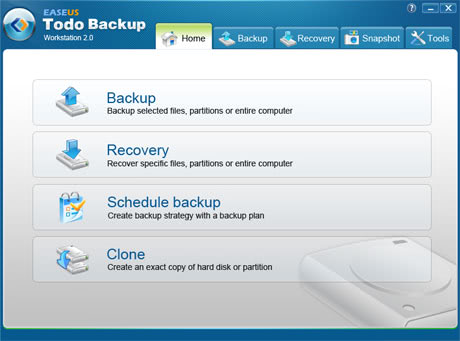
EaseUS Todo Backup is the first traditional backup tool listed here. Unlike OneDrive — a free Dropbox account provides only 2GB of storage—a disappointing limitation. Easeus Todo Backup 2025: Further considerations ShadowMaker Free supports all modern Windows iterations, including the latest Windows 11, offering a cost-effective backup solution.
The fully featured Backup Pro series is available as an annual subscription for $16 or as a one-time purchase for $60.
While premium features like encryption and compression are reserved for the paid editions of Ashampoo Backup Pro, the free version effectively covers essential backup needs for all Windows users. Key features include customizable historical file versioning, preserving multiple file iterations,, optimized resource usage, intuitive backup plan creation, reliable automatic scheduling, and built-in tools for generating recovery media. Its sync modes include basic (real-time), mirror and two-way synchronization. Macrium Reflect X Home is the most recovery-focused product in this list.
The best Windows backup software is not simply the program with the longest feature list. Many backup platforms now support Android and iOS — allowing users to safeguard photos, messages, and app data directly to the cloud or a secure storage system. Backup software provides automation, version history, and error checks that manual copies don’t. Once set up, they quietly run in the background so your data stays safe without constant manual effort. AOMEI Backupper also provides flexible automated backup scheduling and retains multiple historical versions of backups, enhancing protection against malware and other threats. Developed by industry-leading software firm AOMEI (Backupper Standard is a user-friendly), well-structured free backup tool.
BackUp Maker allows saving backup data to local or external hard drives (network shares), FTP/SFTP/WebDAV servers, and third-party cloud storage via desktop synchronization apps. It supports various backup techniques and features a guided wizard for effortlessly configuring optimal settings. Clonezilla If your backup needs are simple and a free solution meets your requirements — such software can be an excellent choice. This makes EaseUS ToDo Backup an ideal option for anyone seeking a free yet highly functional backup tool.

Here’s a concise overview of the top five free backup software solutions highlighted in this guide—scroll down for the complete list of free backup programs.
Before presenting my top 10 favorite free backup software options (detailed further below if you’d like to skip ahead), here are a few key considerations when selecting free backup software. Pairing the right backup software with these strategies ensures a reliable system for securing critical data across all devices. It fully supports Windows 10 and Windows Server 2016 but excludes older versions, such as Windows 7 (SP1) or Windows Server 2008 (SP1). File backups can be categorized into full (differential), and incremental types for better organization. To streamline management — consolidate a full backup with its linked incremental backups into a unified archive. Windows 11 compatibility doesn’t alter the selection process—every tool listed works — and the best choice depends on your specific needs.
Version 1 generates a full archive with each run, while incremental backups are planned but not yet available, making it less ideal for large, slowly changing datasets at this stage. Ensure your backup solution covers all the data sources you rely on. Despite being a free alternative (Ashampoo’s Backup FREE still delivers robust functionality), making it a dependable option for anyone seeking a reliable free backup tool. Further details on MSP360 Backup editions (including a 15-day trial of the Pro version), are available through the official MSP360 website. MSP360 Backup Pro is available as an annual subscription for $29.99, Windows, or $19.99 (Linux/macOS), offering flexible pricing across platforms.
Despite being a free alternative (Ashampoo’s Backup FREE still delivers robust functionality), making it a dependable option for anyone seeking a reliable free backup tool. Further details on MSP360 Backup editions (including a 15-day trial of the Pro version), are available through the official MSP360 website. MSP360 Backup Pro is available as an annual subscription for $29.99 , Windows, or $19.99 (Linux/macOS), offering flexible pricing across platforms.
